![[YMCA of Greater Toledo LOGO SQ]](https://recliquecore.s3.amazonaws.com/imgs/ymca_logos/named_y/blue_purple.png)
![[YMCA of Greater Toledo LOGO FULL]](https://s3.amazonaws.com/recliquecore/imgs/ymca_logos/named/blue_purple.png)

Why we teach 2nd graders to swim — and how you can help us reach more kids
Why we teach 2nd graders to swim — and how you can help us reach more kids Every year, the YMCA of Greater Toledo takes
Responding to a text, answering an email, listening to a podcast, or making a grocery list—these tasks may seem quick and harmless, but those few seconds of distraction can add up. And distractions around water can lead to serious, even fatal, consequences. In fact, 88% of children drown with at least one adult present.
That’s why families must designate a Water Watcher—an adult who stays focused and free from distractions like phones, conversations, or alcohol who can maintain constant visual contact with all children in or near the water. Your feed can wait. Their safety can’t.
At the YMCA of Greater Toledo, we believe every splash builds confidence, every lesson deepens connection, and every swimmer—no matter their age or ability—deserves a safe, supportive place to grow. That’s why we’re proud to be The ‘First Learn To Swim’ Place.
Whether you’re introducing your infant to water or training for a swim team, our programs are built to meet each swimmer where they are—welcoming, genuine, nurturing, hopeful, and determined.
As “America’s Swim Instructor”, the Y is the most accessible community resource to prevent drowning and encourage a lifelong enjoyment of swimming. As one of the largest community-based organizations in the country, the Y owns or manages over 2,000 pools and is uniquely positioned to deliver swim lessons and water safety education to kids and adults alike. Watch Tanisha’s story to learn how she faced her childhood fear of water and learned how to swim at the Y so she can enjoy the water with her kids.
The First Bond-in-the-Water Place
Parents accompany children in Stage A, which introduces infants and toddlers to the aquatic environment through exploration and encourages them to enjoy themselves while learning about the water.
Skills taught include blow bubbles, front tow, front float, back float, back tow, roll and wall grab.
In Stage B, parents work with their children to explore body positions, floating, blowing bubbles, and fundamental safety and aquatic skills. Skills taught include blow bubbles, front tow, front float, back float, back tow, roll and monkey crawl.
In Stage B, parents work with their children to explore body positions, floating, blowing bubbles, and fundamental safety and aquatic skills. Skills taught include blow bubbles, front tow, front float, back float, back tow, roll and monkey crawl.
The National YMCA Progressive Swim Program stresses endurance, personal safety, skill development, and lifesaving techniques. The primary goal of this program is comfort and safety. Songs and games are an important part of the instruction at this level. Motor skills will also be presented. A parent or trusted adult will be needed to accompany the child in the pool. 30 minute class.
The First Independence Place
Swim Basics (Stages 1-3)
Students learn personal water safety and achieve basic swimming competency by learning two benchmark skills:
* Swim, float, swim – sequencing front glide, roll, back float, and exit.
* Jump, push, turn, grab
Swim Strokes (Stages 4-6)
Having mastered the fundamentals, students learn additional water safety skill sand build stroke technique, developing skills that prevent chronic disease, increase social-emotional and cognitive well-being, and foster a lifetime of physical activity.
In Stage 2, students focus on body position and control, directional change, and forward movement in the water also continuing to practice how to safely exit in the event of falling into a body of water. Skills include submerge, front glide, front float, back float, back glide, water exit, roll and tread water.
In Stage 3, students learn how to swim to safety from a longer distance than in previous stages in the event of falling into a body of water. This stage also introduces rhythmic breathing and integrated arm and leg action. Skills include submerge, swim on front, swim on back, water exit, roll, and tread water.
Students in Stage 4 develop stroke technique in front crawl and back crawl and learn the breaststroke kick and butterfly kick. Water safety is reinforced through treading water and elementary backstroke. Skills include front crawl, breaststroke, butterfly, back crawl, dive, resting stroke, and tread water.
The First Strong-Strokes Place
Student develop comfort with underwater exploration and learn to safely exit in the event of falling into a body of water in Stage 1. This stage lays the foundation that allows for a student’s future progress in swimming. Skills taught include submerge, front glide, front float, back float, back glide, water exit and roll.
In Stage 2, students focus on body position and control, directional change, and forward movement in the water also continuing to practice how to safely exit in the event of falling into a body of water. Skills include submerge, front glide, front float, back float, back glide, water exit, roll and tread water.
In Stage 3, students learn how to swim to safety from a longer distance than in previous stages in the event of falling into a body of water. This stager also introduces rhythmic breathing and integrated arm and leg action. Skills include submerge, swim on front, swim on back, water exit, roll, and tread water.
Students in Stage 4 develop stroke technique in front crawl and back crawl and learn the breaststroke kick and butterfly kick. Water safety is reinforced through treading water and elementary backstroke. Skills include front crawl, breaststroke butterfly, back crawl, dive, resting stroke, and tread water.
Students in stage 5 work on stroke technique and learn all major competitive strokes. The emphasis on water safety continues through treading water and sidestroke. Skills taught include front crawl, breaststroke, butterfly, back crawl, dive, resting stroke, and tread water.
In Stage 6, student refine stroke technique on all major competitive strokes, learn about competitive swimming, and discover how to incorporate swimming into a healthy lifestyle. Skills taught include front crawl, breaststroke, butterfly, back crawl, dive, resting stroke, and tread water.
The First Never-Too-Late Place
Basic swimming skills for beginners or intermediate swimmers to support themselves in shallow and deep water.
Program is available to youth ages 13–17, whether they are YMCA members or not. For adults (18+), participation is limited to active YMCA members only.
Designed for members who have completed the skills in Adult/Teen Beginner. The emphasis will be on perfecting breathing technique, basic strokes, and treading. We will work on building endurance and the ability to swim laps.
Must be comfortable in water over your head.
Program is available to youth ages 13–17, whether they are YMCA members or not. For adults (18+), participation is limited to active YMCA members only
Basic swimming skills for beginners or intermediate swimmers to support themselves in shallow and deep water.
Designed for the previous beginning lap swimmer or anyone with the ability to swim at least a few lengths of the pool using some form of freestyle.
The emphasis will be on perfecting freestyle and backstroke techniques, including coordinating breathing and arm stroke timing. Endurance and cardiovascular strengthening will be achieved by the use of drills with limited interval training.
NOT recommended for new or very weak swimmers.
This class is designed for the previous intermediate lap swimmer or triathlete.
Emphasis on swimming conditioning—building endurance using proper technique for multiple strokes.
Interval training advanced swimming drills and some sprint work will be incorporated into the workout.
Refining the technique of each stroke while working on endurance. Must be able to swim 50 yds continuously.
The First Personalized Confidence Place
Together, the instructor, participant, and/or guardian determine the goals for the session, and the curriculum is customized in order to meet these goals.
Private swim lessons are available by appointment only. Lessons are 30 minutes each.
Open to all ages. Complete New Private Swim Lesson Interest Inquiry Form below to be paired with instructor to best meet your needs. Registration, payment and scheduling is done at your local Y branch.
Both swimmers must be registered together. Fee listed is per person. Lessons are available by appointment only. Lessons are 30 minutes each. Open to all ages. Complete New Semi-Private Swim Lesson Interest Inquiry Form below to be paired with instructor to best meet your needs. Registration, payment and scheduling is done at your local Y branch.
Fee listed is per family. Lessons are available by appointment only. Lessons are 30 minutes each. Open to all ages. Complete New Family Private Swim Lesson Interest Inquiry Form below to be paired with instructor to best meet your needs. Registration, payment and scheduling is done at your local Y branch.
Kids may be as old as 18 years old.
Kids must live in the same household.
Adults need to be in the water with children under 3 years old.
Adults can be parents, grandparents, guardians.
The First Friendship-and-Focus Place
For youth ready to take the plunge into competitive swimming, our swim teams build skills, sportsmanship, and lasting friendships. It’s not just about the stopwatch—it’s about confidence, commitment, and community.
To Learn More, Click HERE
More people have learned to swim through the YMCA than any other organization. Our swimming lesson program is world renown, and we are excited about how our instructors have made positive improvements to our swim program.
The swim lesson program is set up in a progressive manner. Each stage is built upon each other to allow the students to grow their skills and technique each step of the way.
The program is broken up into 2 main components:
Parent/Child and Preschool For children under the age of five and their parents
Youth and Adult For children ages six and up, as well as adults and individuals with disabilities
We require swim tests* for all children 15 years and younger to determine their swimming ability. Swimmers who do not take the test will be marked as non-swimmers. Each child will be given a swim band that clearly identifies their swimming ability.
Swim test: Depending on the size and shape of the pool, the test consists of jumping in the shallow end, treading water in the deep end for 30 seconds, swimming on the front (on top of the water), and swimming on the back.
At any time, regardless of age, if a lifeguard questions a swimmer’s ability in the pool, he or she can require a swim test.
Flotation Devices: Only properly fitted US Coast Guard-approved flotation devices are permitted.
Swimming lessons at the Y are overseen by certified instructors who provide this training in a safe and fun way.
Lessons are given in 1 month or 8-week sessions and are open to YMCA members and nonmembers.
Want to register your child for swim lessons but not sure which lesson is right for them? Use the selector below.

Becoming part of a YMCA Swim Team means more than just swimming laps—it’s about building skills, friendships, and confidence that last a lifetime.
Our trained coaches focus on individual growth, helping swimmers improve endurance, refine technique, and embrace a healthy, active lifestyle. We emphasize progress over pressure, creating an encouraging environment where every swimmer can thrive.
From foundational instruction to advanced training, YMCA swim teams offer:
Whether you’re just diving in or training for your next meet, there’s a lane for everyone here.
The YMCA of Greater Toledo offers 4 swim teams across the association:

Ages: 5 to 18 years
Requirements: Swimmers must:
The YMCA Lifeguard Training course is the most comprehensive program available, including certifications in CPR/AED, Basic Life Support, First Aid, and Oxygen Administration. Training in equipment-based rescues for aquatic environments, accident prevention, and decision-making skills prepare participants for employment.
Participants must be 16 years old before the start of class. Attendance, full participation, and successful completion of written tests and performance of all water skills are required.
Upon completion of this course participants will receive an American Red Cross certificate for Lifeguarding/First Aid/CPR/AED valid for 2 years.
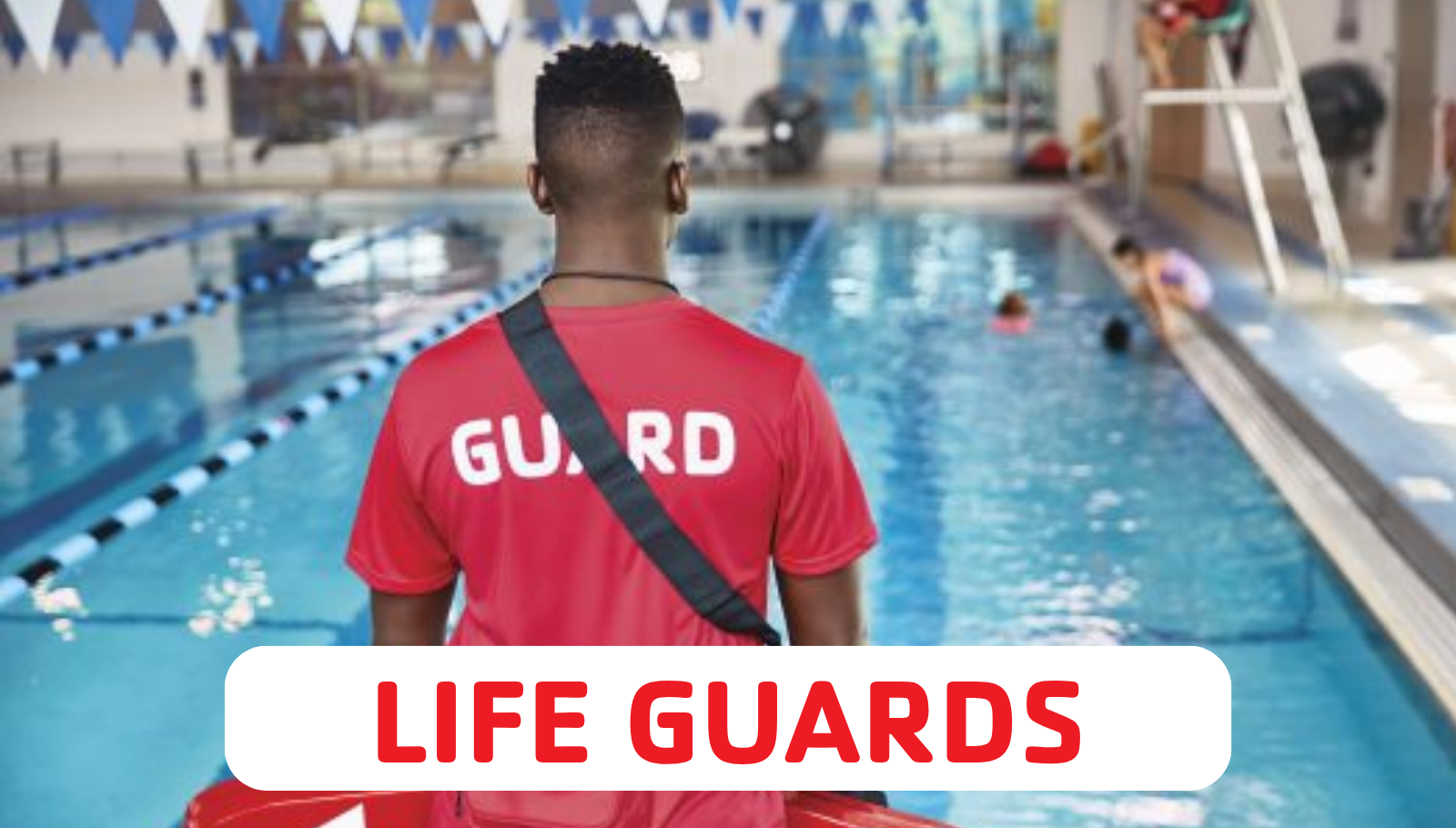
As a YMCA lifeguard, you do more than watch the water—you protect lives, support your community, and create a safe, welcoming space for all. Every day is an opportunity to make a meaningful impact while working with a diverse and inclusive team.
YMCA Swim Instructors teach swimmers from 6 months to adults, focusing on skill progression, water safety, and confidence-building. Instructors lead with encouragement and care—creating a safe, positive environment that supports youth development, healthy living, and meaningful member connections.
Why we teach 2nd graders to swim — and how you can help us reach more kids Every year, the YMCA of Greater Toledo takes
Which YMCA swim lesson is right for your child? A parent’s guide to getting started Whether your child has never touched a pool or is
PHONES DOWN, EYES UP Phones down, eyes up: why your attention is the most important water safety tool you have You’ve packed the sunscreen and
BE WATER READY – JUNE IS WATER SAFETY MONTH As summer begins, the YMCA of Greater Toledo recognizes Water Safety Month — a time to
Neighbors Make the Difference: Key Bank’s Lambertville MI Branch Volunteer Day at Francis Family YMCA There are corporate partners, and then there are neighbors. Key
Wayman D. Palmer YMCA Receives Generous Community Donation The Wayman D. Palmer YMCA is honored to receive a generous $1,500 donation in support of the